Understanding Autism
Understanding Autism: A Parent's Guide
By Puzzle Peace Community Team · · 2 min read
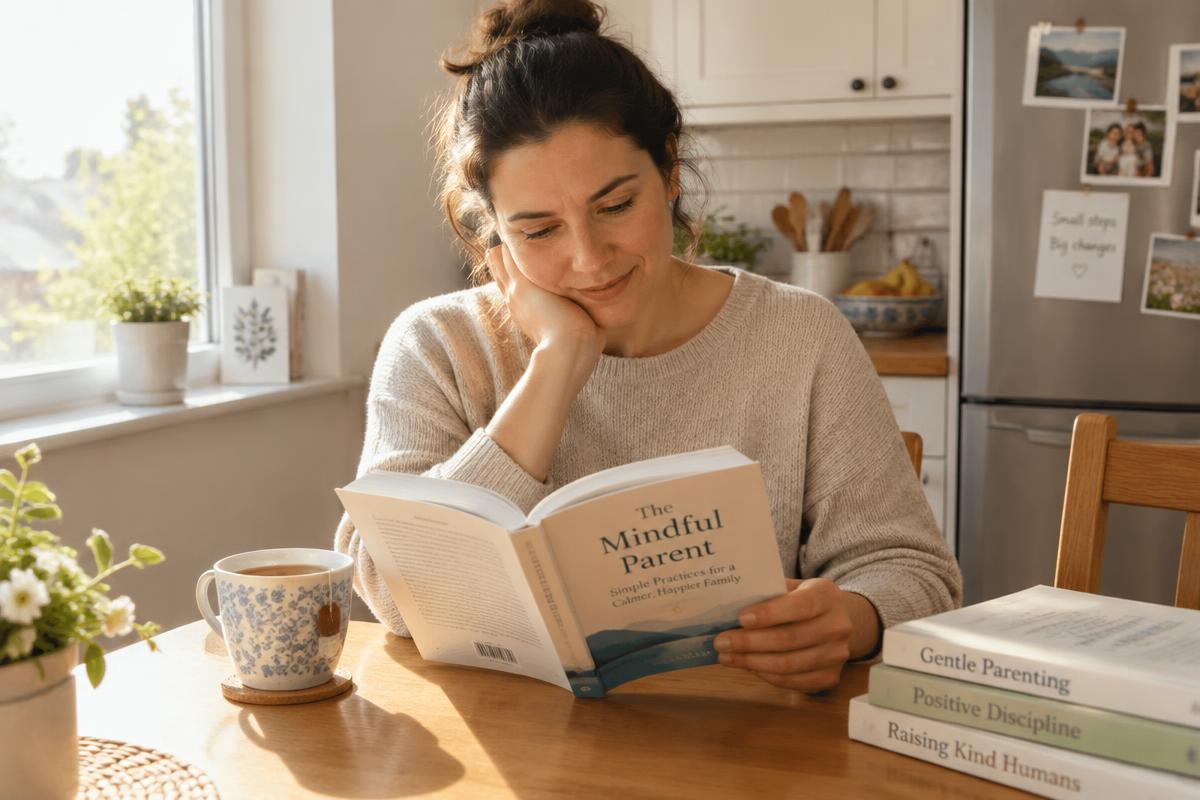
Whether your child has just received a diagnosis, you're waiting on an evaluation, or you simply want to understand a loved one better, learning about autism can feel like a lot at once. This guide offers a gentle overview of what autism is — and what it isn't.
What autism is
Autism spectrum disorder (ASD) is a neurodevelopmental condition. According to the CDC and the National Institute of Mental Health, it affects how a person communicates, interacts with others, learns, and experiences the world around them.
It is called a spectrum because autistic people differ widely. Some need significant daily support; others need very little. Many have both strengths and challenges that change over time.
Common characteristics
No two autistic people show these traits in the same way, and no single trait means a person is or isn't autistic.
- Differences in social communication, such as eye contact, conversation, or understanding unspoken social rules
- Repetitive movements or routines, and a strong preference for predictability
- Deep, focused interests
- Sensory differences — being more or less sensitive to sound, light, touch, taste, or smell
What autism is not
Autism is not caused by parenting style. Major health organizations, including the CDC and WHO, report that vaccines do not cause autism. Autism is not an illness to be ashamed of, and autistic people are whole people — not puzzles missing a piece.
Where to go from here
If you have concerns about your child's development, talk with your pediatrician or a qualified health professional. Connecting with other families, autistic adults, and reliable organizations can also help you feel less alone.
Sources
- CDC — Autism Spectrum Disorder
- NIMH — Autism Spectrum Disorder
- World Health Organization — Autism fact sheet
This article is for general education and does not replace professional medical advice. Reviewed October 2026.
Related articles
Understanding Autism
Autism Acceptance: Moving Beyond Awareness
Awareness is the first step. Acceptance is how we build a world where everyone belongs.
October 28, 2026 · 2 min read
Communication & Development
Early Signs of Autism in Young Children
What developmental differences can look like in the early years, and when to talk to a professional.
October 28, 2026 · 2 min read

Strengths & Celebrations
Celebrating the Unique Strengths of Autistic Children
Every child has gifts worth noticing. Here's how to recognize and nurture them — without stereotypes.
October 28, 2026 · 2 min read